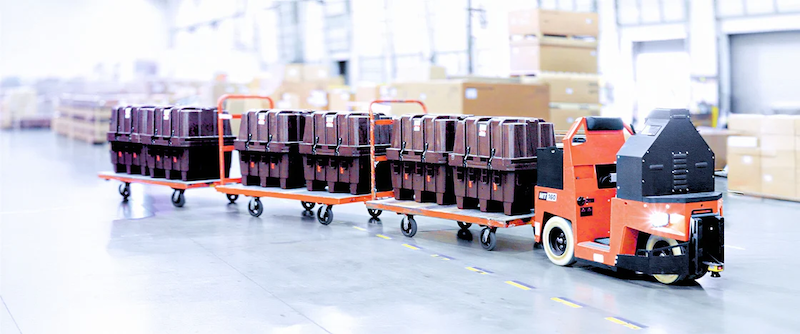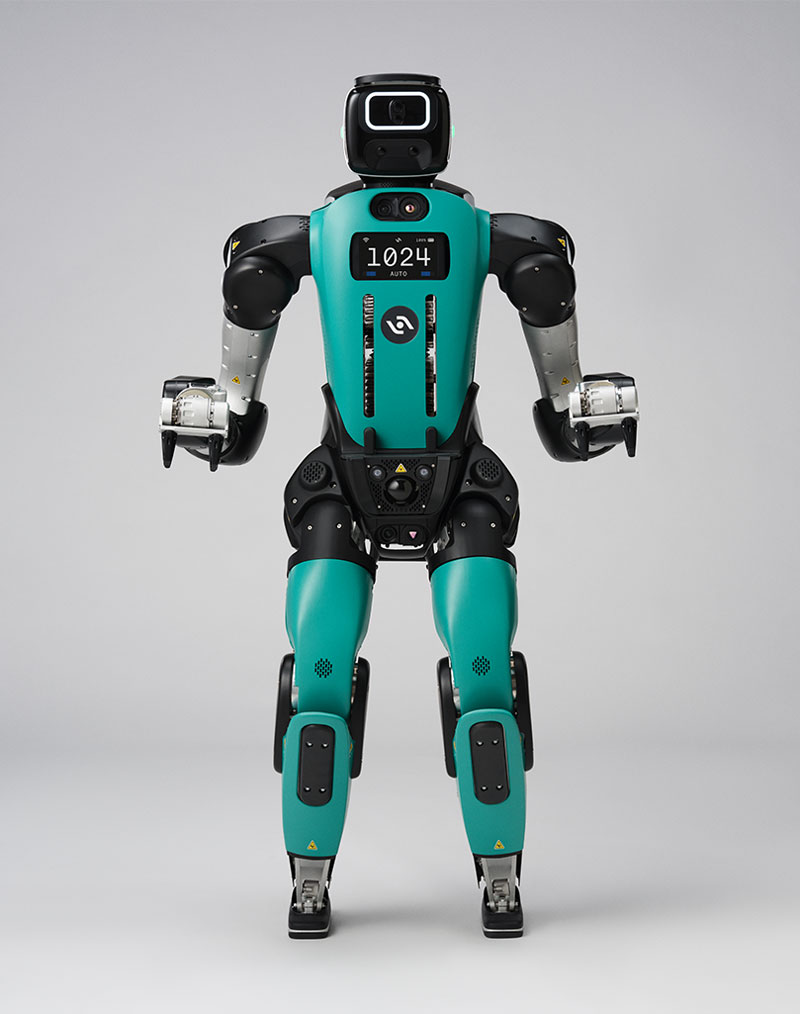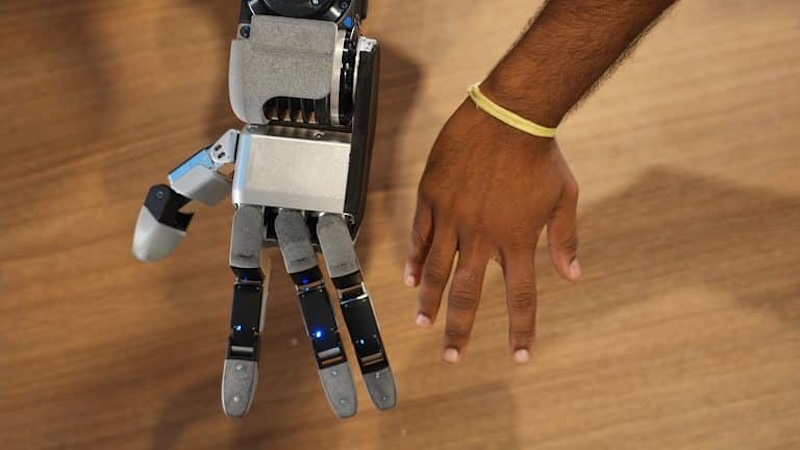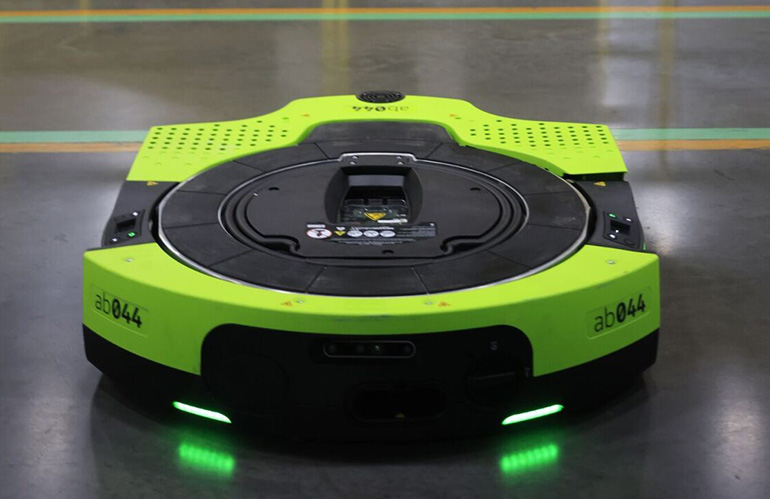
Amazon introduced the next generation of Proteus at its London event, adding AI-powered natural language understanding. Workers can now tell the AMR what needs moving in plain speech — the system handles prioritization, routing, and timing autonomously. The upgrade extends Proteus beyond dock operations into dynamic warehouse tasks like inter-workstation transfers and delivery site assistance.
Proteus launched in 2022 and currently operates in 24 U.S. fulfillment centers, moving carts up to 400kg. The natural language version is piloting in Amazon labs and will deploy in Europe in H1 2027. Amazon designed the system to shift workers from repetitive material movement to higher-skill roles in inventory management and quality control.
The expansion includes STARK — a FANUC CRX-30iA cobot that picks heavy totes from conveyors — rolling out to 15 European sites by 2027. Vulcan, Amazon's tactile-sensing picker, is already handling complex tasks in Hamburg after initial deployment in Spokane. Both systems are part of a €10B European investment that includes 25,000 new hires alongside robot scaling.
The move reflects Amazon's strategy of pairing automation density with workforce growth. The company has deployed over 1 million robots while hiring hundreds of thousands globally, creating new maintenance, reliability, and engineering roles. The natural language interface lowers the technical barrier for human-robot collaboration, but raises questions about workflow dependency and operational resilience if the AI layer fails or misinterprets commands in high-tempo environments.