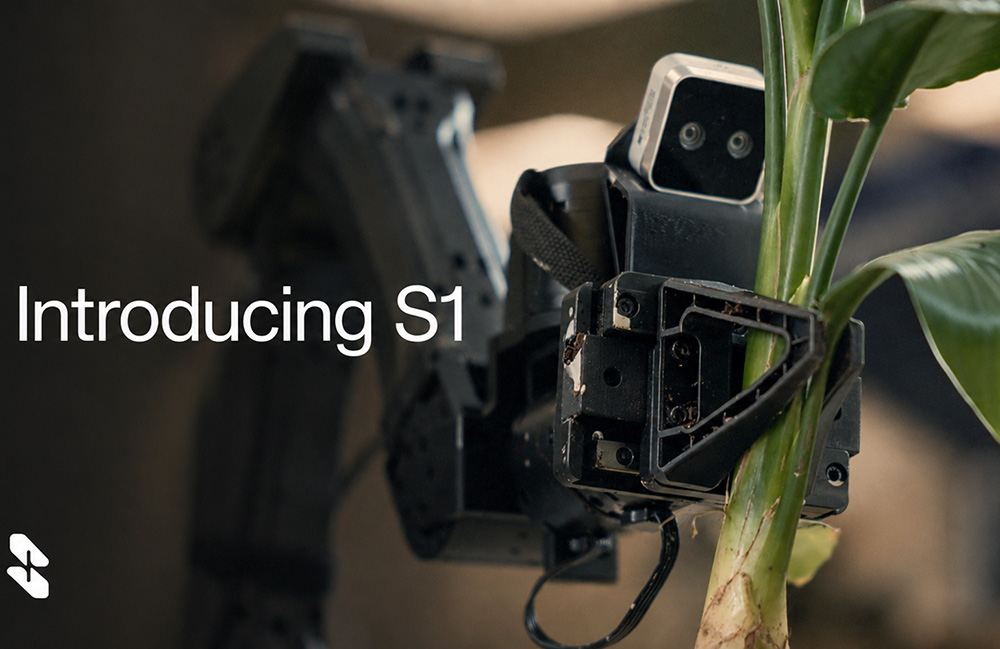
Skild AI released S1, its flagship robot foundation model, marking a shift from task-specific fine-tuning to in-context learning. Robots running S1 can learn complex tasks like flipping pancakes or repotting plants by watching a single human demonstration video, without additional training cycles. CEO Deepak Pathak says the model handles tasks lasting up to 10 minutes — far longer than the 3-4 second tasks typical of current robotic systems.
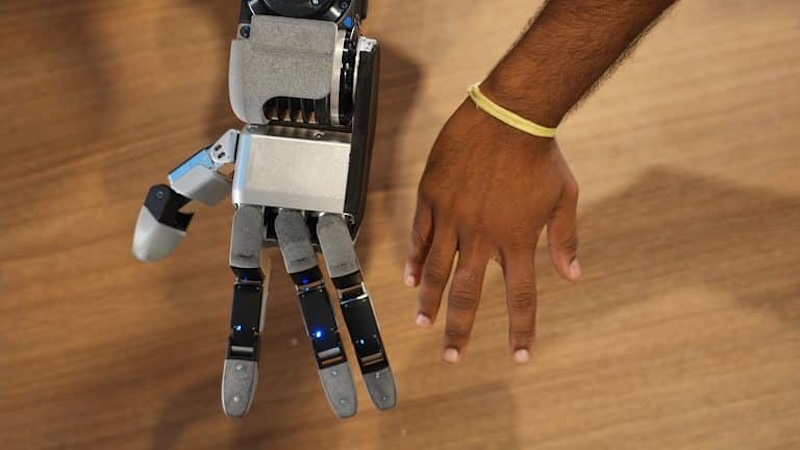
S1 pretrains on four data types: teleoperation (high quality, low scale), human videos (abundant but noisy), simulation (scalable but gap-prone), and data-capture gloves (middle ground). Pathak argues most robotics companies focus on one data source, but S1's approach is to combine all four, letting the strengths of each compensate for others' weaknesses. The result is a model that generalizes across tasks and form factors without needing post-training.
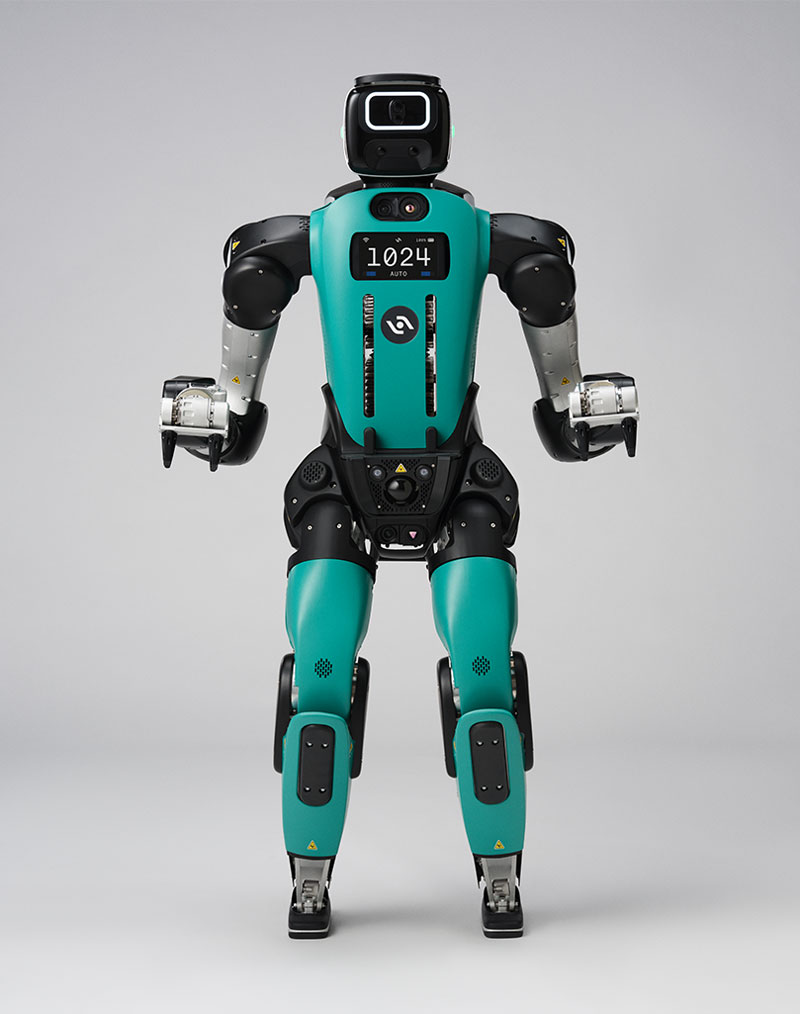
The company isn't targeting a single vertical or robot type. S1 is "omni-bodied" — it runs on quadrupeds, humanoids, and static arms. Skild has demonstrated emergent capabilities like pancake flipping, which appeared without any flipping examples in the training data. The company plans to focus more heavily on humanoids in future releases, including work on real-time adaptation when limbs fail.
Pathak draws parallels to the shift from fine-tuned language models to ChatGPT-style prompt-driven inference, but stops short of calling this robotics' ChatGPT moment. "Is it completely ready to be rolled out to people's homes? Not quite. But this is the first sign of what we believe might come."
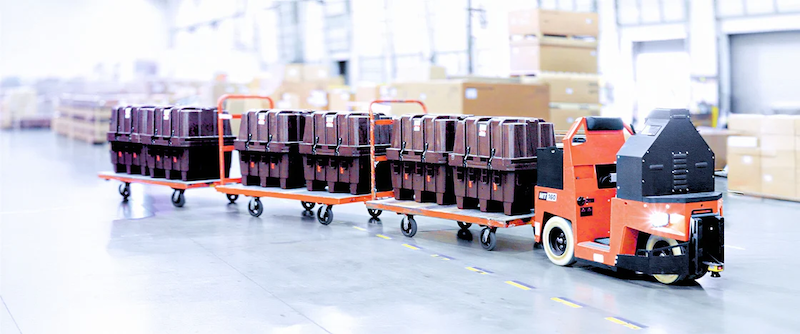
Skild has raised nearly $1.7B since 2023 and recently acquired Fetch Robotics to accelerate deployment capabilities. The company says production deployments are imminent and will be announced in coming weeks.