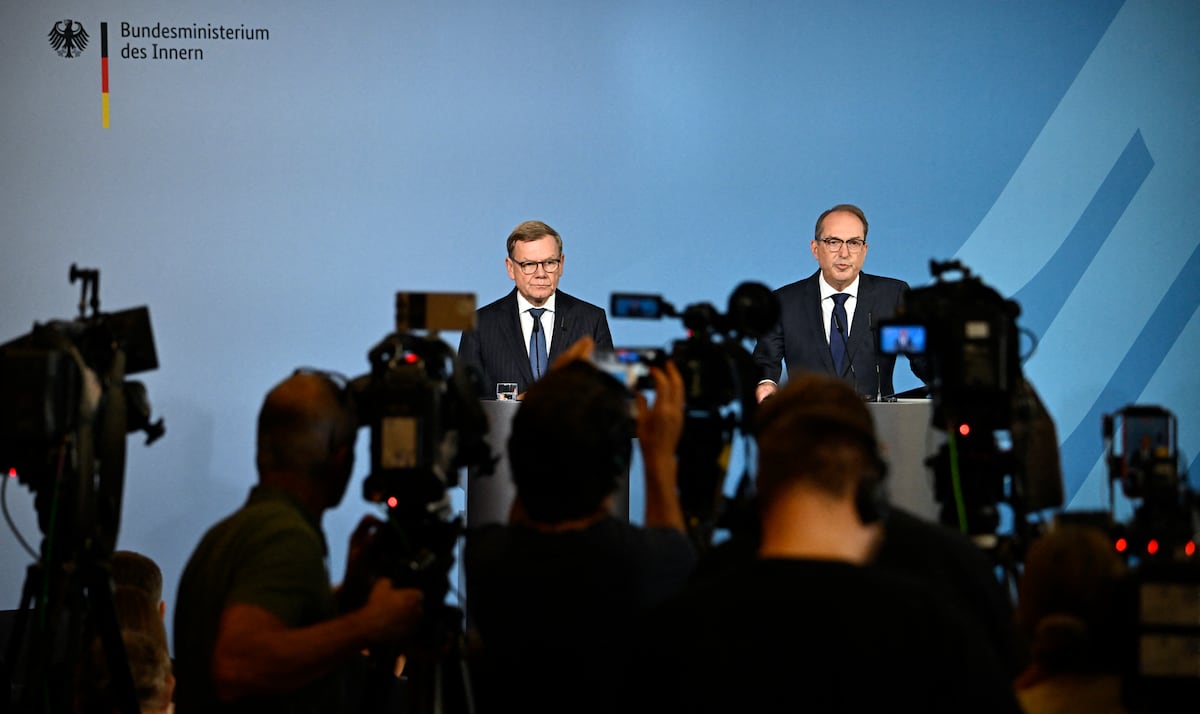
Germany announced on September 2 that Russia was responsible for a failed explosive drone attack on Leipzig/Halle Airport in early August. An explosive-laden drone was found near a Ukrainian cargo aircraft shuttling munitions to Ukraine and defused by police. Two additional drones were discovered at or near the airport in the following weeks. German interior minister Alexander Dobrindt said police investigations, attack patterns, and intelligence findings confirmed Russian responsibility.
Leipzig/Halle Airport is a critical logistics hub for Ukraine weapons shipments and NATO airlift operations. The attack method — multiple low-cost drones deployed over time against high-value infrastructure — reflects Russia's escalating hybrid warfare tactics against Western support networks for Ukraine.
In response, Germany is closing Russia's 70,000-square-meter consulate in Bonn by September 18, terminating leases for Russian cultural facilities in Berlin, and implementing heightened immigration scrutiny and visa restrictions for Russian nationals tied to hybrid operations. Russia denied the allegations and announced it would "mirror" Germany's actions, a standard escalation pattern.
The incident exposes vulnerabilities in airport counter-UAS defenses. Despite Leipzig's strategic role, the drones penetrated airspace and reached aircraft parking areas without interdiction. Operators of critical infrastructure supporting Ukraine should assess detection gaps for small, low-altitude threats and consider layered counter-drone systems.
The EU and NATO issued statements of solidarity with Germany and scheduled high-level talks for the following day. The diplomatic fallout is expected to further strain Russia-Europe relations and accelerate coordinated Western responses to hybrid threats.