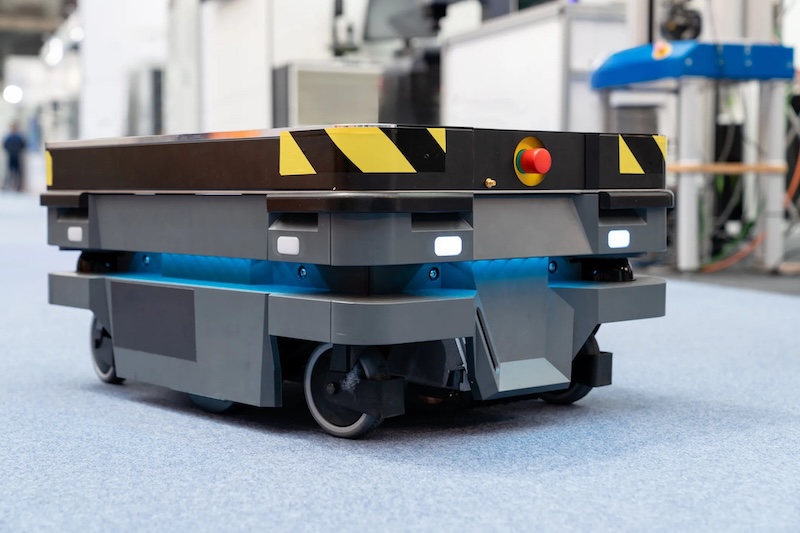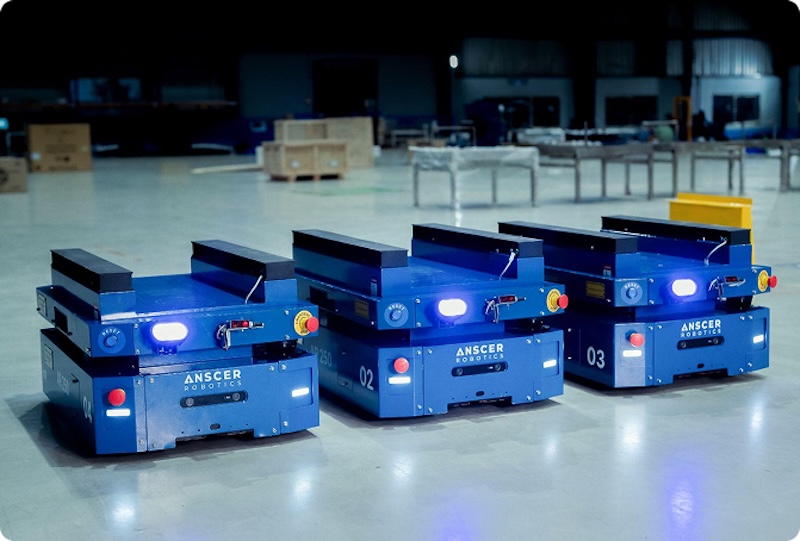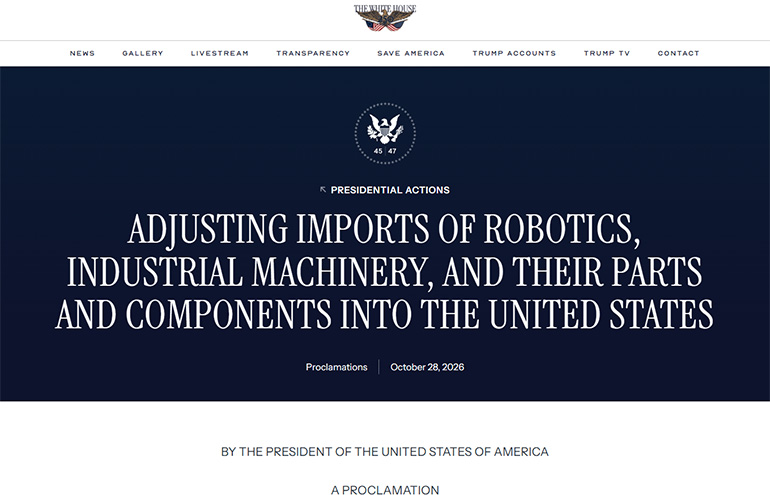
The White House issued a Section 232 determination yesterday stating that robotics and industrial machinery imports "threaten to impair the national security of the United States." The Commerce Department report specifically flagged autonomous robots, humanoids, quadrupeds, and autonomous ground vehicles as critical to military operations, citing China-linked cybersecurity risks and insufficient domestic production capacity.
The proclamation triggers a six-month negotiation period with trading partners to "adjust imports" before the administration considers tariffs or quotas. The U.S. imported $86 billion worth of robotics equipment in 2024, supporting $7.1 trillion in manufactured goods shipments — but domestic production remains far below demand.
Industry observers expect negotiations first, tariffs later. FANUC, Teradyne Robotics, and Yaskawa have already announced U.S. manufacturing expansions, but component supply chains remain a vulnerability. Robert Little, 2026 Engelberger Award honoree, flagged sensors, actuators, precision gears, and encoders as critical gaps: "This is where we need the most help to strengthen America's ability to manufacture."
The move follows recent FCC restrictions on Chinese robotics and aligns with findings from the Special Competitive Studies Project Robotics Commission. With most major industrial automation vendors based overseas, the policy sets up a direct confrontation between supply chain security and cost competitiveness.
Trade measures could affect not just finished robots but components — potentially forcing a broader reshoring of the robotics stack. Watch for formal tariff announcements after the negotiation window closes in April 2027.