Diplomats meeting in Geneva under the UN Convention on Certain Conventional Weapons (CCW) are set to vote Friday on a non-binding text that could open negotiations on LAWS regulations. The US and Russia have proposed late changes and deletions that threaten consensus, according to three diplomatic sources. At least six countries received formal diplomatic approaches from Washington to support its position.
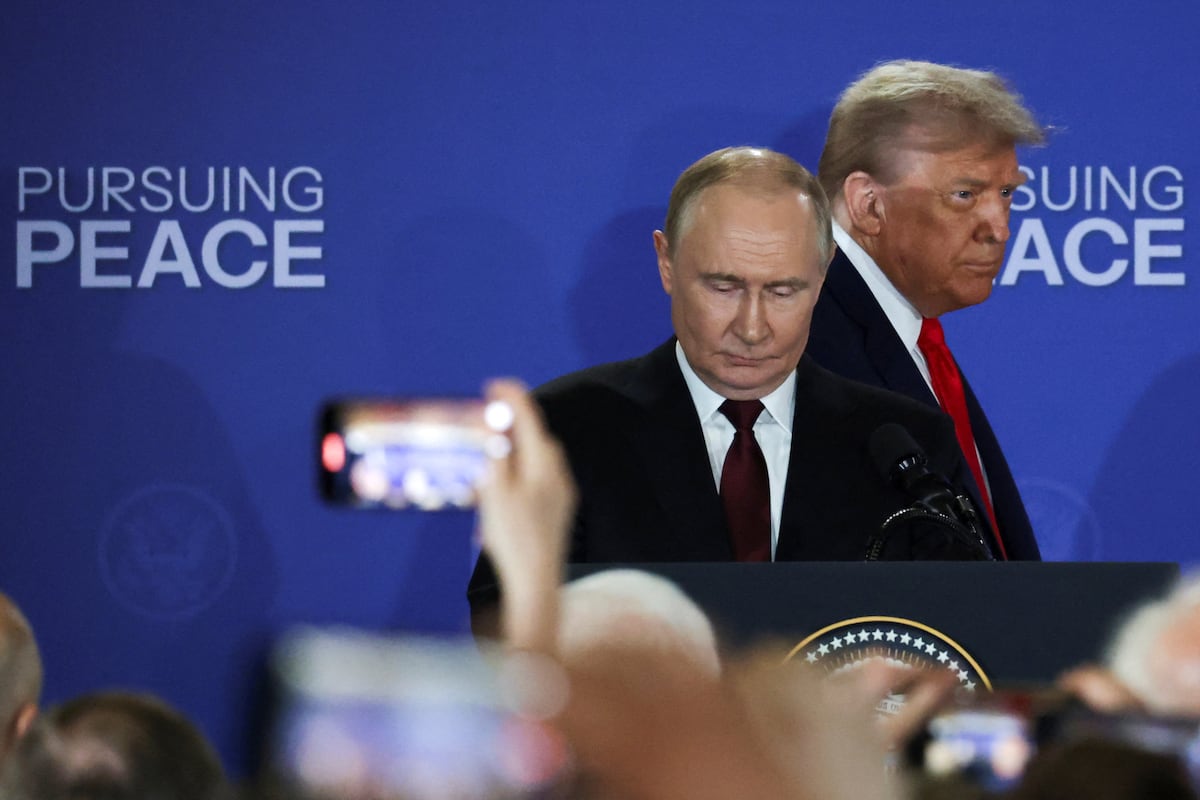
The US argues that existing international humanitarian law already provides a framework for autonomous weapons and favors guidelines over binding treaty language. This position is backed by Russia, India, and Turkey. Washington's stance has hardened significantly over the past six months, diplomatic sources said.
The dispute centers on specific language, including the use of the word "lethality" and sections related to human judgment and control. Brazil, Ireland, and several African states are pushing for binding safeguards to ensure meaningful human oversight, while opponents want flexibility. Human Rights Watch and Stop Killer Robots have warned that AI-assisted weapons systems may behave unpredictably, increasing the risk of fatal errors.
Semi-autonomous weapons are already in use in Ukraine, Sudan, and the Middle East with varying degrees of human oversight. In August, UN Secretary-General Antonio Guterres and Red Cross President Mirjana Spoljaric warned the world is nearing a moral red line where autonomous systems could kill without human involvement.
Diplomats may run out of time and key provisions discussed over several years could be dropped, potentially resulting in no agreement emerging from this week's session.