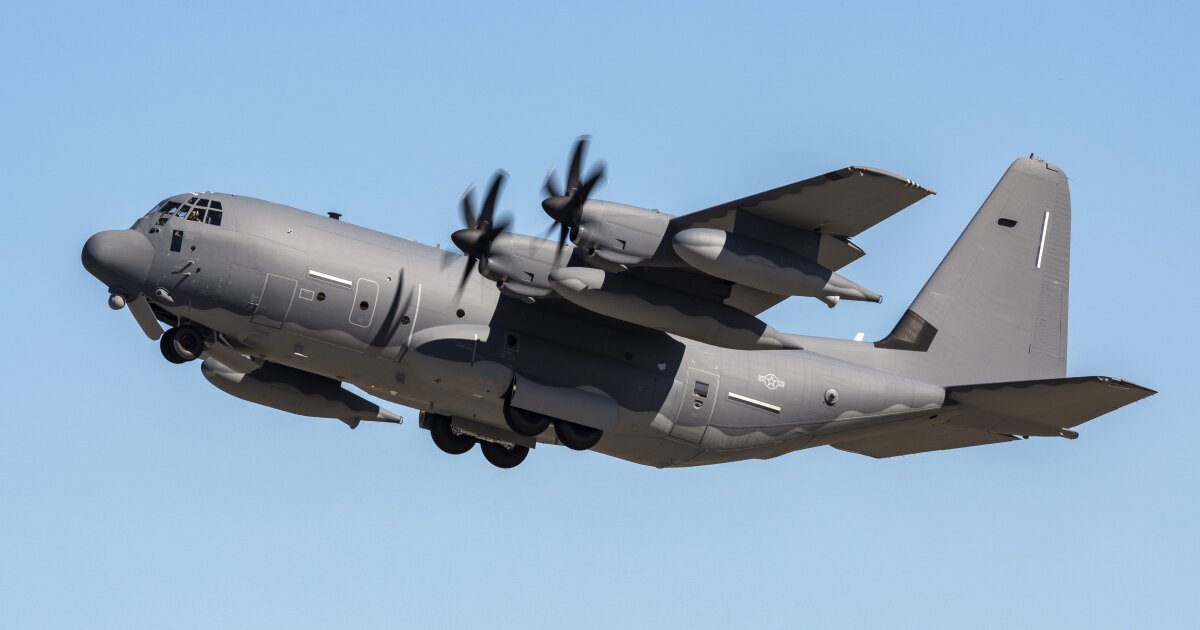
Merlin launched Merlin Pilot for Commercial Cargo, part of its Condor product family for multi-crew aircraft. The system is aircraft-agnostic and designed to retrofit existing large cargo planes like the Lockheed Martin Hercules. Boeing projects demand for 2,800 large cargo aircraft over the next 20 years, while a global pilot shortage threatens to leave those aircraft without crews.
The system uses GPS, inertial guidance, radar, radio altimeters, and environmental sensors to control flight autonomously. It includes natural language processing trained to understand and respond to air traffic control commands like a human pilot. Merlin has tested the technology across five aircraft types and conducted commercial route trials in Alaska and New Zealand.
Merlin is taking a staged regulatory approach to avoid the certification bottlenecks that plague autonomous aviation. The system will first deploy as an advanced co-pilot with a human safety pilot onboard, allowing it to accumulate flight data and build the case for full autonomy. This positions cargo as the proving ground for autonomous large aircraft — public acceptance for pilotless passenger flight remains years away.
The company was founded in 2018 and has since logged real-world trials on military and commercial platforms. CEO Matt George frames the timing as critical: cargo conversions are at record volume, and integrating autonomy during the passenger-to-freighter retrofit process offers an efficient path to deployment.