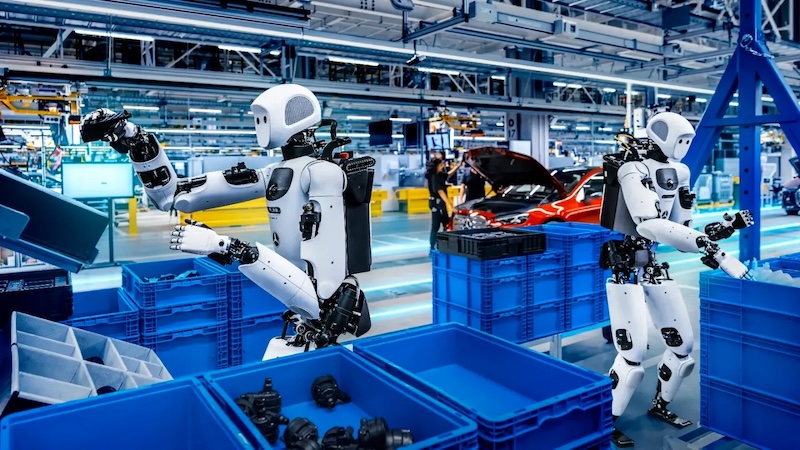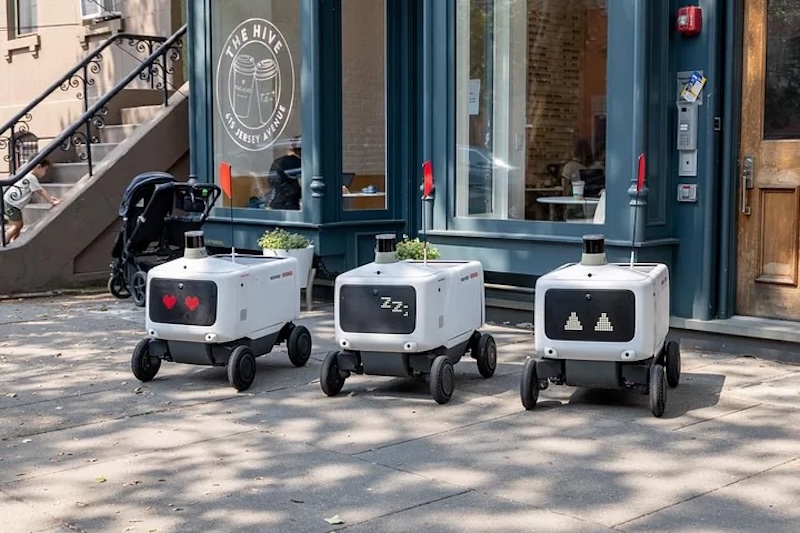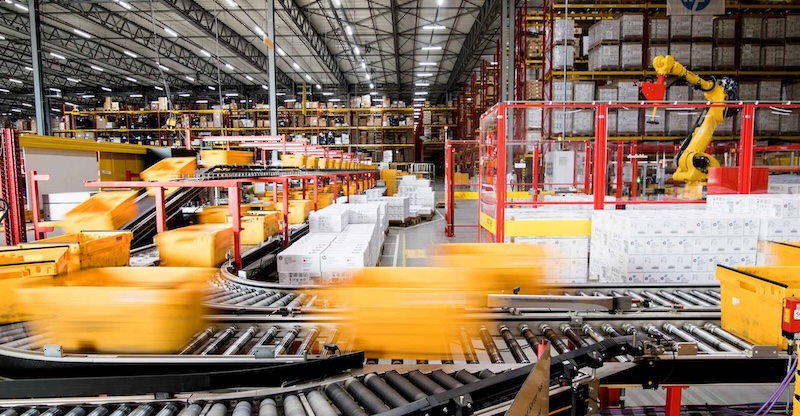
DHL Supply Chain has moved adaptive AI robotics and orchestration software from proof of concept to live warehouse deployment. The system connects autonomous mobile robots, packaging equipment, and warehouse management platforms to allocate resources dynamically based on real-time order volumes. Unlike conventional warehouse robots that follow predefined routines, these adaptive units interpret changing conditions and adjust actions to meet operational goals.
The deployment builds on an existing base of over 9,000 robots across DHL's global network, which have completed more than 1.5 billion picks and 10 million case unloads using Boston Dynamics' Stretch platform. The orchestration layer is the new element — software that coordinates physical assets, digital systems, and human operators rather than automating individual tasks in isolation.
DHL frames the approach as combining "physical AI" (robot control) with "digital AI" (analytics and decision support) to optimize material flow and information flow simultaneously. Tim Tetzlaff, global head of digital transformation, says human workers remain central to the model, contributing judgment and expertise while robots handle repetitive or physically demanding work.
The strategy reflects a broader shift in logistics automation: from deploying standalone robotic systems to building integrated platforms that coordinate multiple asset types under variable demand. DHL reports over 1,400 AI and analytics implementations across its network in 2026, with conversational AI systems logging 2.5 million minutes of worker interactions.