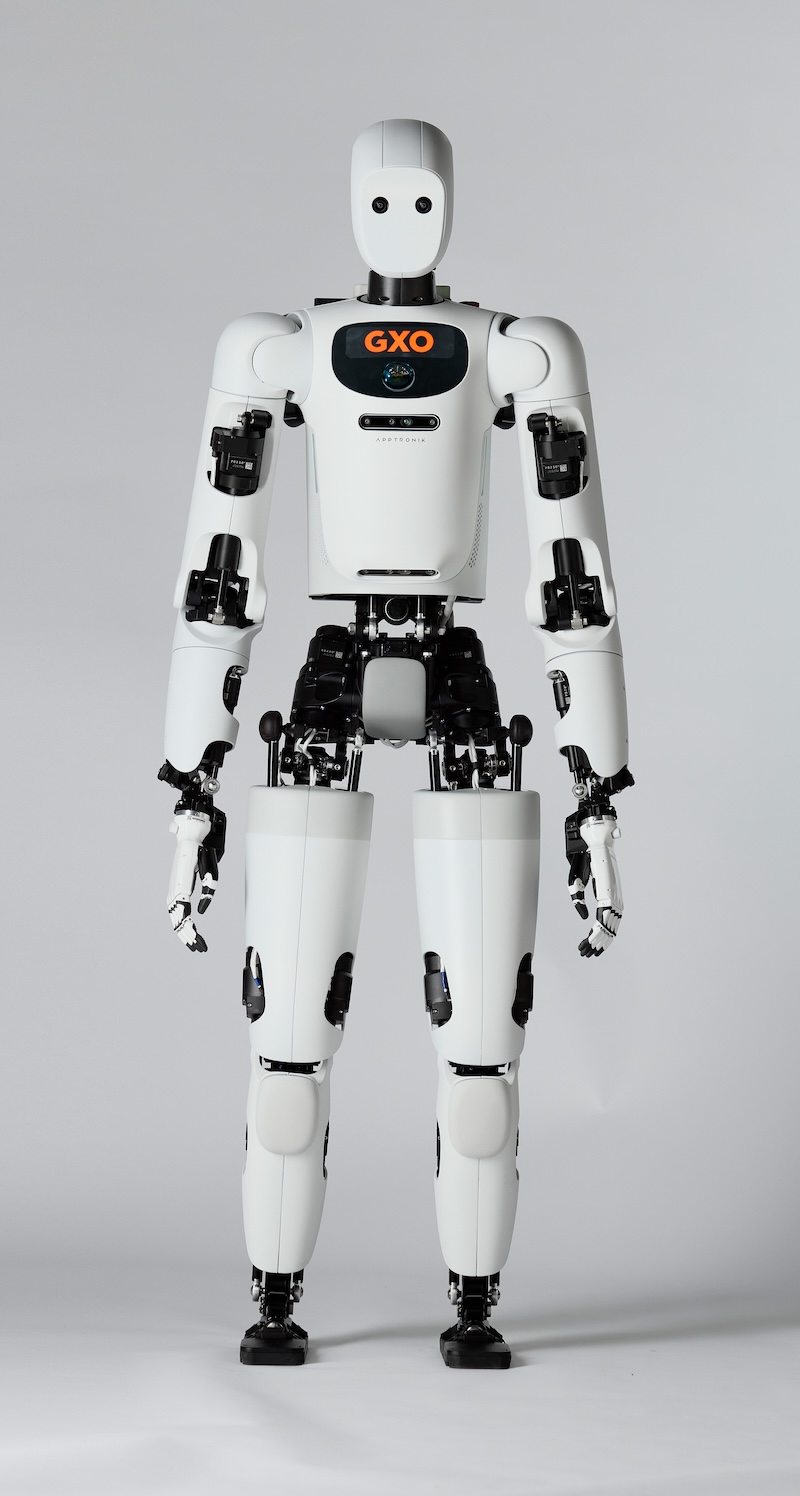
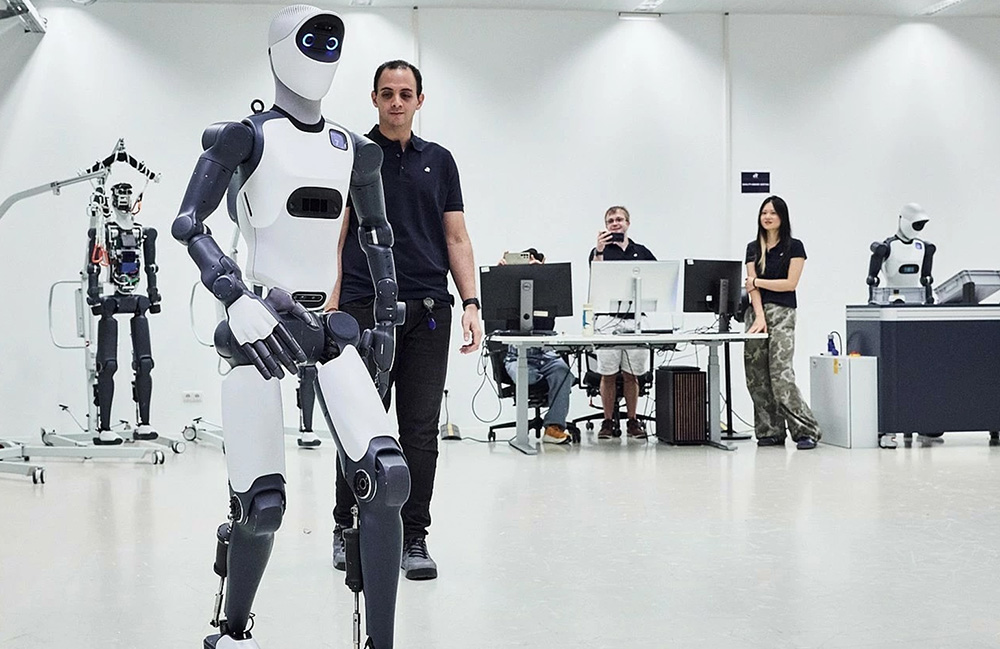
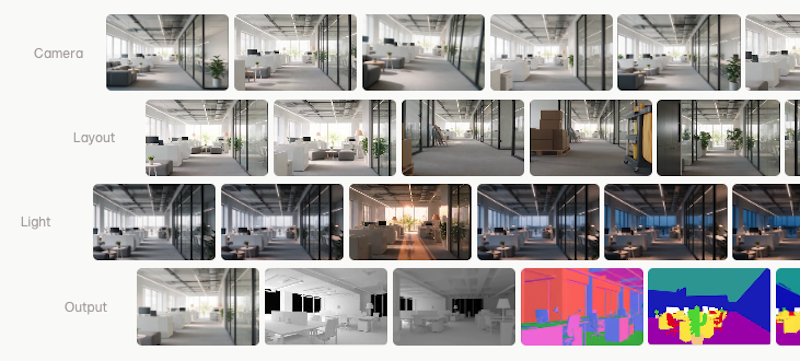
Rotaku has received backing from an unnamed U.S. early-stage fund to build what it describes as affordable, dexterous humanoid robots for developers and robotics researchers. The company positions its platform around physical intelligence — AI systems that move, manipulate objects, and interact with real-world environments.
Humanoid development remains a systems integration challenge. It requires close coupling across mechanical design, actuation, embedded control, perception, simulation, AI training, and manufacturing. Changes in one subsystem ripple through others — motor selection affects control strategy, which affects battery design and runtime. Rotaku argues the sector needs continuous iteration, real-world testing, and cost optimization, not one-off demo units.
The target market is developers working on whole-body policy training, teleoperation, and embodied AI applications. Current humanoid platforms from Boston Dynamics, Figure, and 1X remain expensive or closed to outside developers. Rotaku's thesis is that lowering hardware access barriers will decentralize innovation and enable a broader ecosystem of experimentation.
Near-term use cases include research, education, teleoperation, and light assistance. Longer term, the company expects humanoids to enter manufacturing, infrastructure, scientific work, and emergency response as control algorithms and AI models mature. The risk is that low-cost platforms may compromise on durability, safety margins, or actuator performance — critical in real-world deployment.