At GTC Taipei and Computex, NVIDIA unveiled new open-source agent skills that turn its physical AI stack—including Cosmos 3 world models, Isaac robotics tools, Omniverse simulation libraries, and Jetson edge compute—into agent-callable workflows. These skills let coding agents automate tasks like synthetic data generation, neural scene reconstruction, defect detection, and digital twin creation, compressing setup times from weeks to hours.
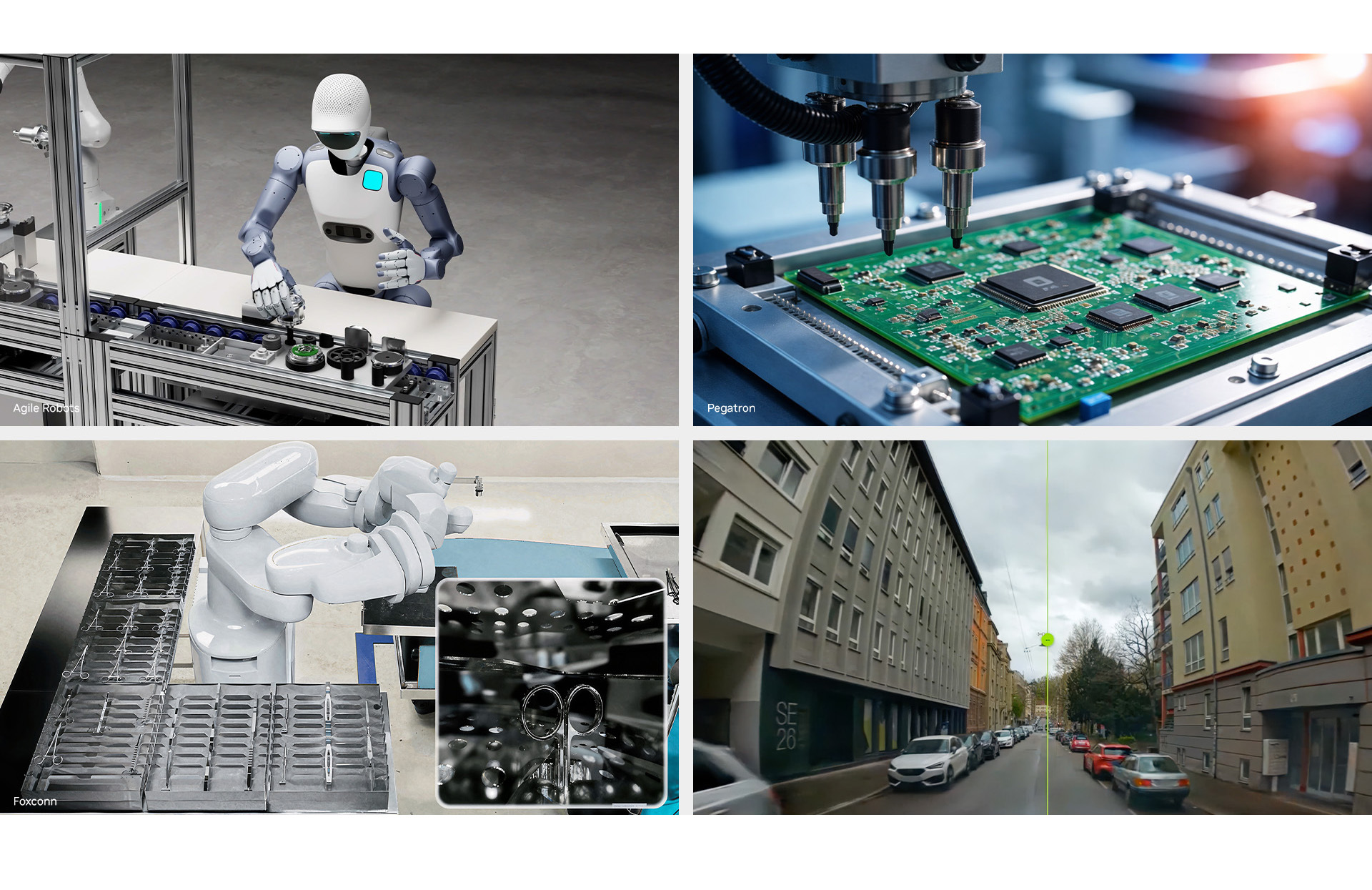
The tools target multiple verticals. Robotics developers can accelerate perception training and navigation tuning. AV teams can reconstruct fleet data into simulation environments and run closed-loop reinforcement learning at scale. Industrial teams—including TSMC, Pegatron, Delta Electronics, and Foxconn—are already using the Defect Image Generation skill to cut training time by up to 67% and improve detection rates by 17%.
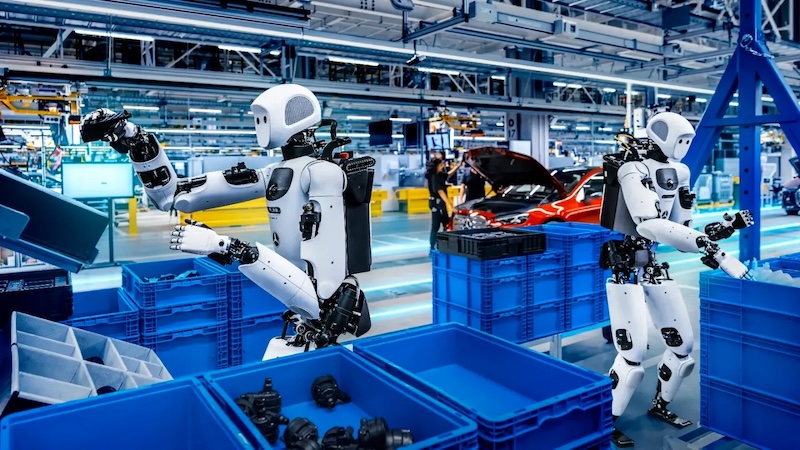
NVIDIA also introduced the Isaac GR00T Reference Humanoid Robot, a 6-foot, 150-pound platform combining a Unitree H2 chassis, dual Sharpa Wave tactile hands (75 degrees of freedom total), and onboard Jetson AGX Thor compute delivering 2,070 FP4 teraflops. The design is modular and open, allowing research labs—including ETH Zurich, Stanford, and UC San Diego—to deploy capable humanoid hardware without proprietary lock-in.
The agent skills are available on GitHub and skills.sh, with preconfigured environments on NVIDIA Brev. Microsoft, CoreWeave, and Nebius are integrating the tools into cloud services. Early adopters include 1X Technologies, Agile Robots, Agility Robotics, Universal Robots, and Skild AI. Foxconn and Compal are deploying Isaac for Healthcare to scale hospital robotics, while Li Auto, Afari, and DeepRoute.ai are generating over 300,000 AV simulations per day using Omniverse NuRec models.