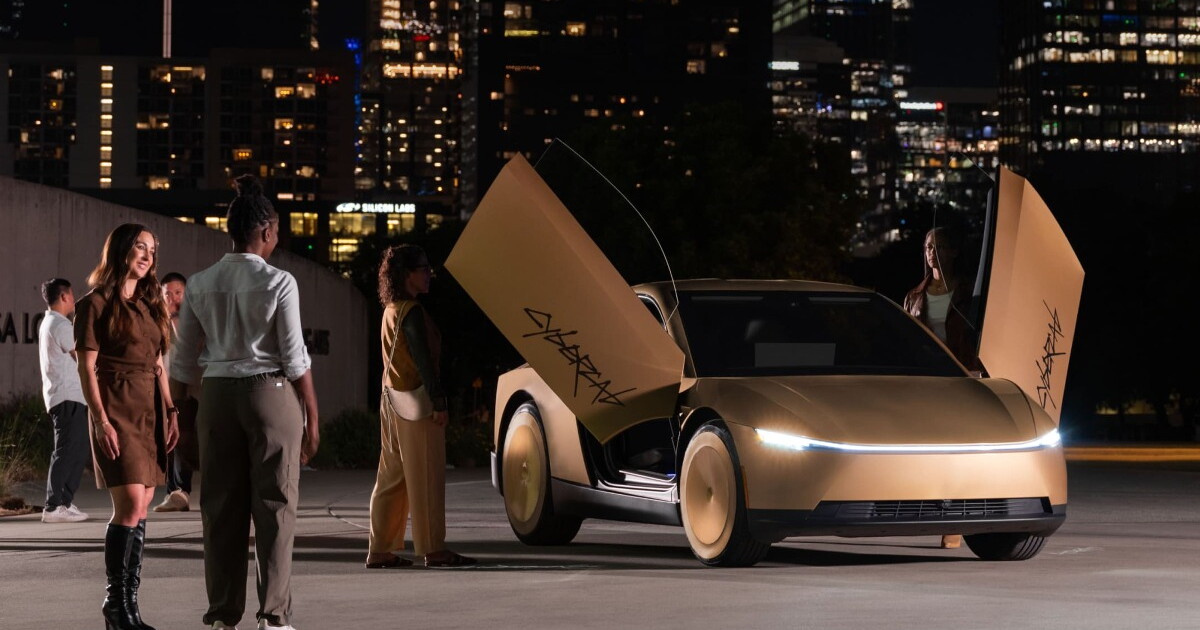
Tesla added the Cybercab to its Austin robotaxi fleet on September 4, joining existing Model Y SUVs that have operated with backup drivers since June 2025. The two-door, two-seat vehicle has no steering wheel or pedals and represents Tesla's first deployment of a purpose-built autonomous taxi on public roads. The launch was notably low-key — no press release, limited media access, a sharp contrast to the 2024 reveal event.
The Cybercab faces immediate competition from Waymo and Zoox, which already operate in multiple US cities with established regulatory approvals and higher cumulative autonomous miles. Both competitors use geofenced operating zones and some degree of teleoperation for edge cases. Tesla's service currently operates only in limited areas of Austin, Dallas, Houston, Miami, Orlando, and Tampa.
Tesla's long-term plan is to sell Cybercabs at approximately $30,000 to private owners who would operate their own robotaxi fleets and share revenue. This model raises unresolved questions: liability in accidents, vehicle tampering, cleanliness standards between rides, and who enforces compliance. Regulatory approval for selling steering wheel-less vehicles to consumers will take years.
The Cybercab rollout comes after Tesla shifted strategic focus to autonomous vehicles in January 2026, ceasing production of several EV models to prioritize robotaxi manufacturing at its Texas Gigafactory. The first unit rolled off the line in February 2026. Whether Tesla can scale fast enough to compete with Waymo's operational lead and established city partnerships remains the key variable.