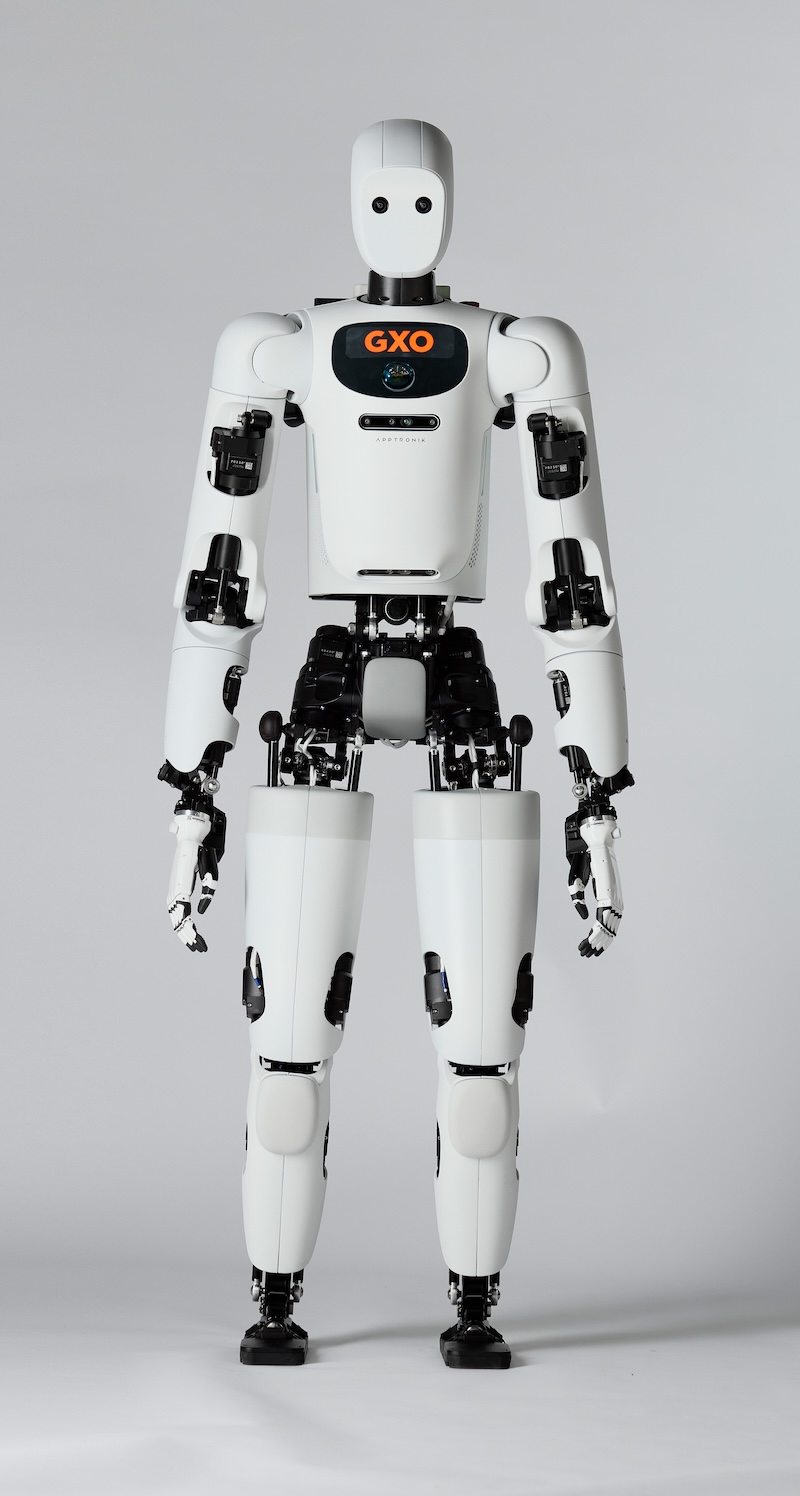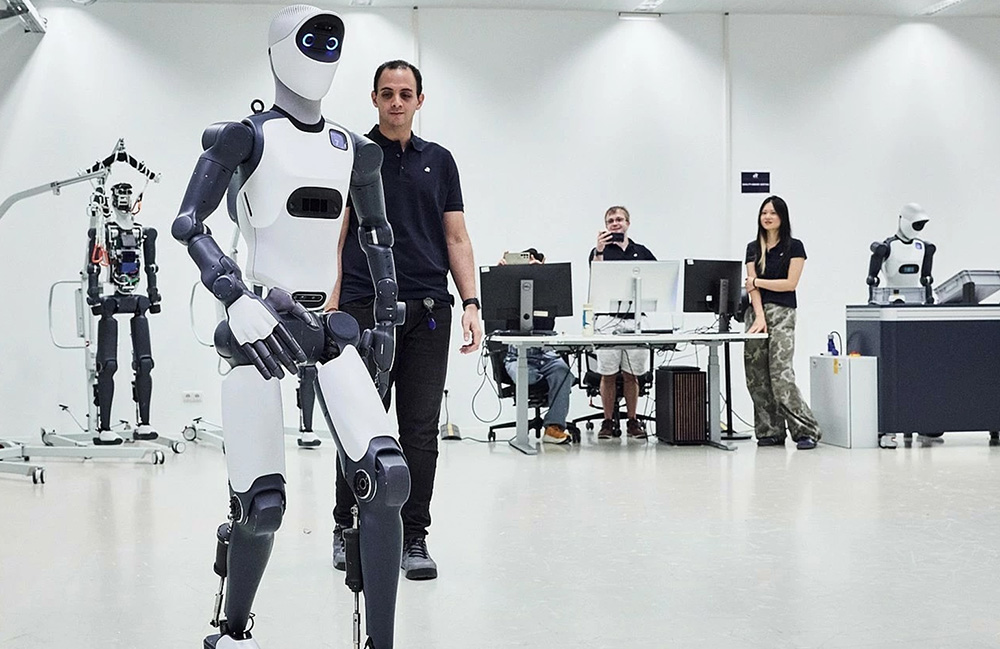
SafeWorld launched with $12.2M in seed funding co-led by Shine Capital and a16z Speedrun, with participation from Box Group, Carnegie Mellon University Endowment, and others. The Oakland-based startup provides browser-based simulation software that tests how robots behave around humans in edge-case scenarios that are too dangerous or rare to test physically.
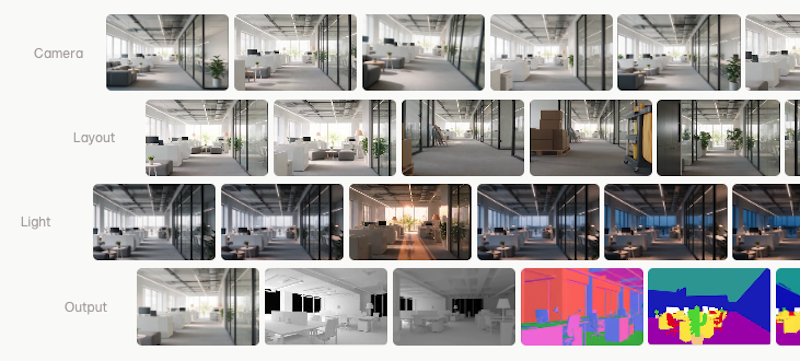
The platform targets the shift from caged industrial robots to AI-powered systems operating in shared spaces with humans. Co-founder Ding Zhao, director of Carnegie Mellon's Safe AI Lab, frames this as a fundamental change requiring new validation methods. SafeWorld generates thousands of scenario variations with realistic human motion models, then measures safety performance across each iteration.
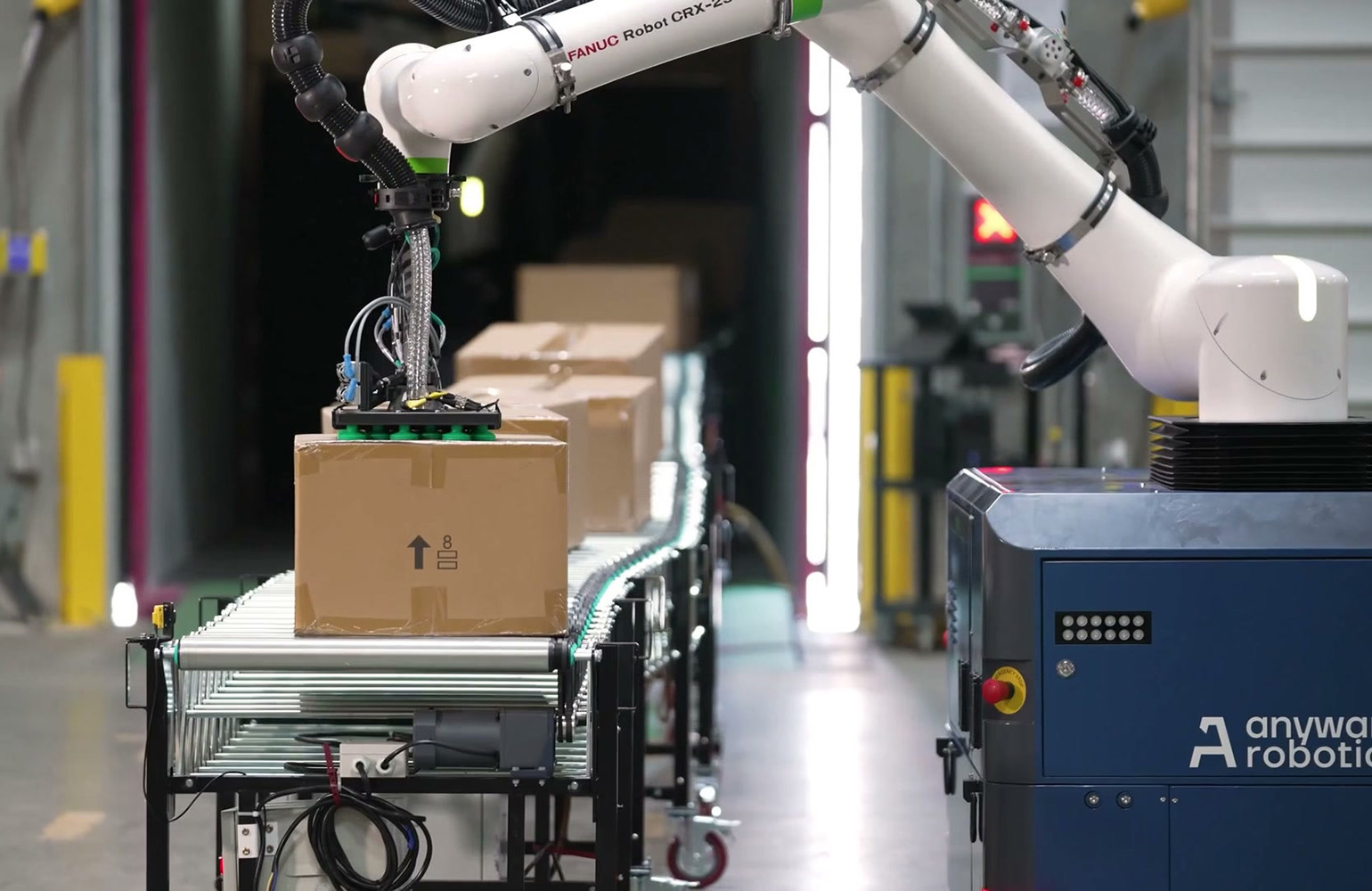
Current customers span industrial, manufacturing, logistics, construction, and home robotics. The company positions itself as third-party infrastructure rather than asking each robotics firm to build safety testing from scratch. Publicly traded companies make up two-thirds of its customer base, suggesting enterprise-grade deployment timelines.
The startup recommends engaging with safety simulation when deployment timelines fall under one year. For companies adding AI to existing hardware fleets (like Caterpillar), safety becomes critical on day one. For software-first robotics startups, the window opens as hardware deployment approaches.
SafeWorld plans to deepen enterprise adoption, fund safety research, and promote open-source work at the frontier of AI safety. The third-party model addresses both the engineering requirements of safety validation and the trust problem — giving regulators, insurers, and operators an independent safety record to evaluate.