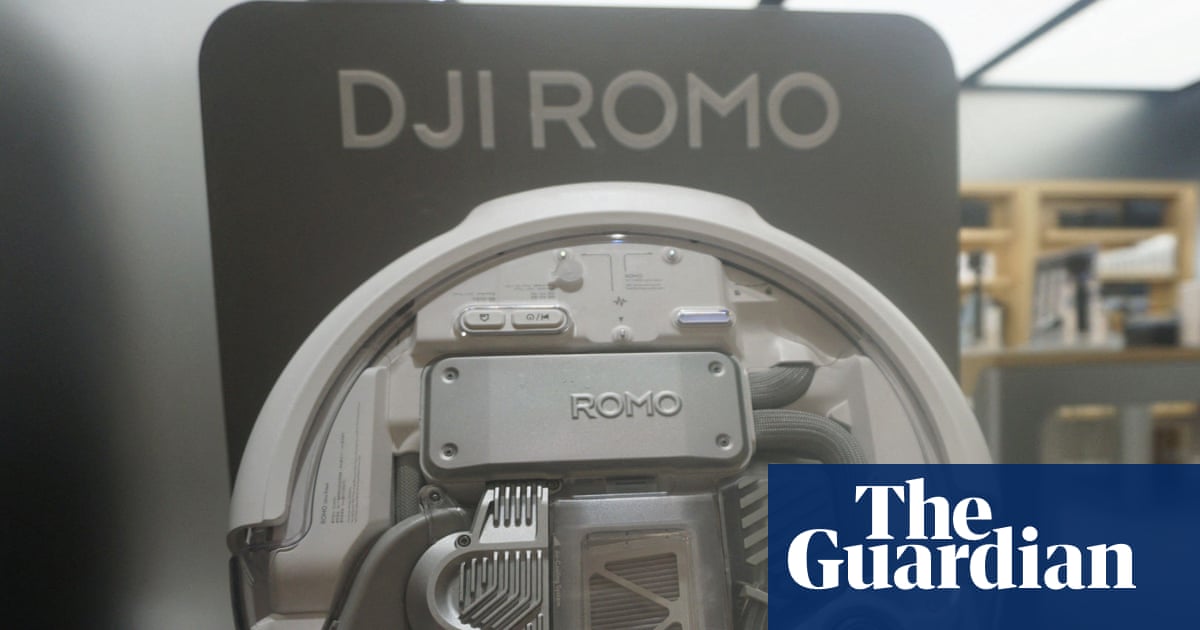
Azdoufal, head of AI strategy at a holiday rental company, used Claude Code to reverse-engineer his DJI Romo vacuum's communication with DJI's cloud servers. The goal was to control the device via a PS5 controller — but the exploit revealed backend access to device data from 7,000 units across 24 countries, including real-time video, audio, and generated floor plans.
He demonstrated the vulnerability to The Verge by accessing a reporter's vacuum within minutes of receiving its serial number. The live feed showed the device cleaning the reporter's living room, its battery status, and a full floor plan of the home. DJI initially claimed the issue was "resolved", but Azdoufal stated not all vulnerabilities had been patched.
The incident exposes a broader risk in consumer robotics: backend server security often lags device-level protections. Web-connected home robots with cameras and microphones create high-value surveillance targets. As these devices proliferate, backend access control becomes a systemic vulnerability — one that hostile actors, not just curious engineers, can exploit.
DJI's response timeline and incomplete patching suggest the industry treats IoT security disclosures reactively rather than systematically. Operators deploying similar devices in enterprise or critical environments should audit vendor backend security postures, not just device firmware.