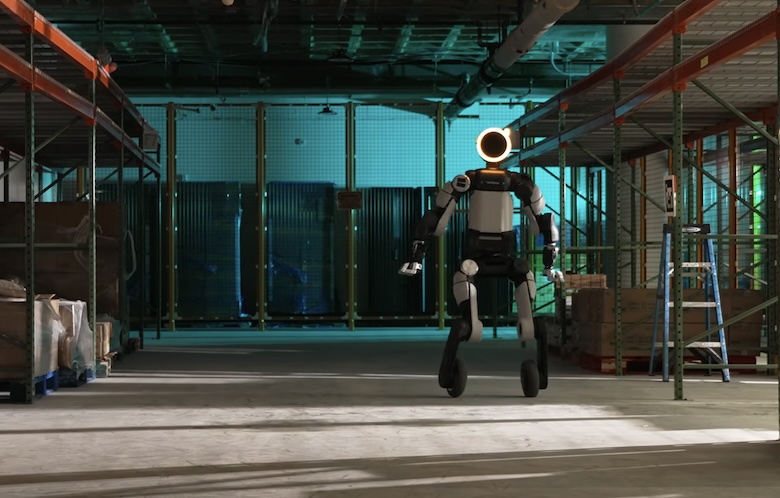
AGIBOT's GO-3 Preview secured top rankings on three major embodied AI benchmarks and will be fully open-sourced by end of 2026. The model is built on WRAM (World Reasoning Action Model), a proprietary architecture that unifies task understanding, future-state prediction, and action generation to enable cross-task generalization and precise manipulation.
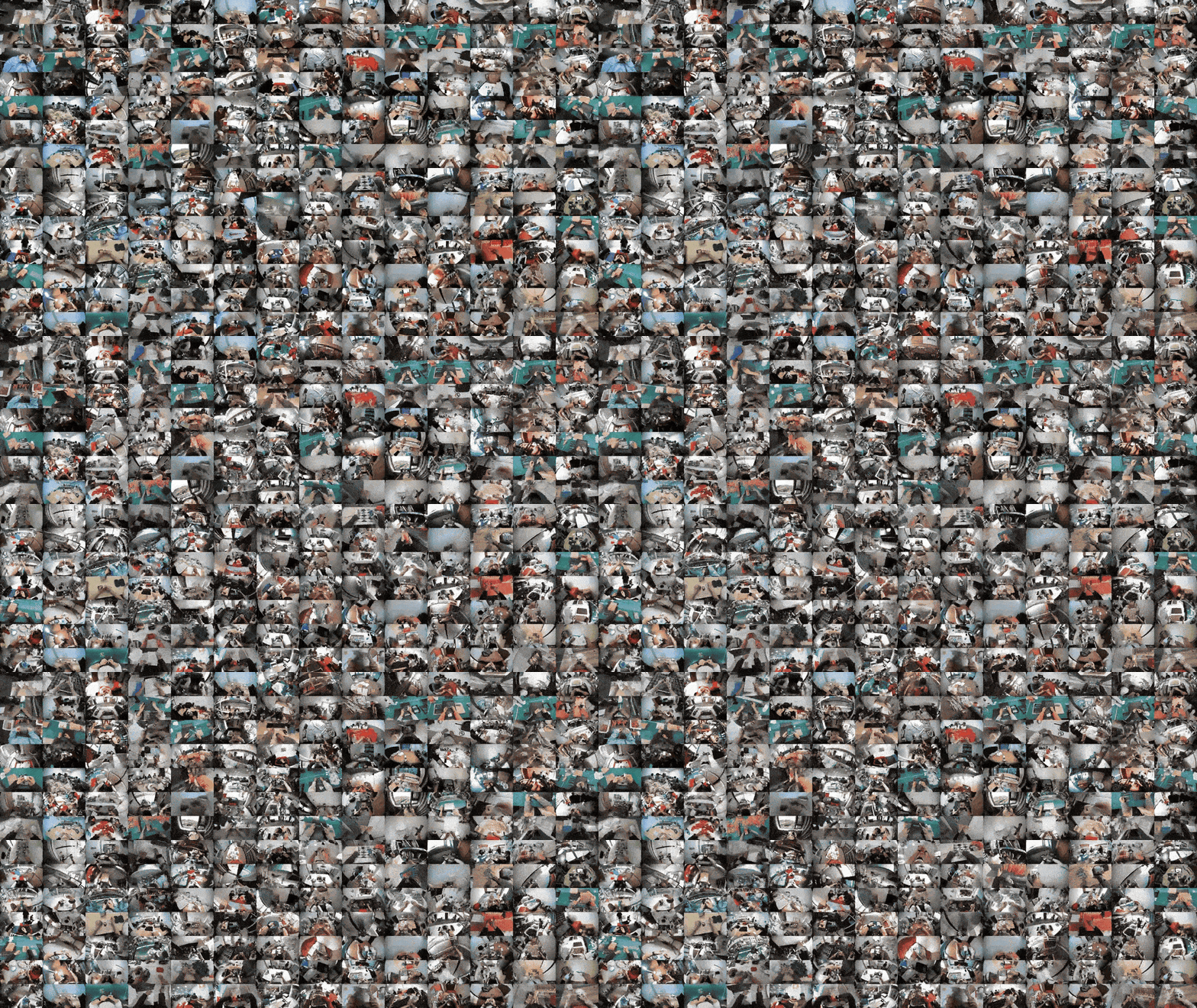
The technical architecture addresses a core limitation in embodied AI: most models stop learning after pre-training. GO-3 Preview extends learning across three stages. Pre-training uses heterogeneous data — human first-person videos and robot trajectories — processed through CoAE (visual representation for control), SVP (single-step future-state prediction), and KASO (alignment of predictions with physically consistent actions). The model demonstrates zero-shot task transfer and few-shot adaptation, including LEGO assembly requiring multi-step precision.
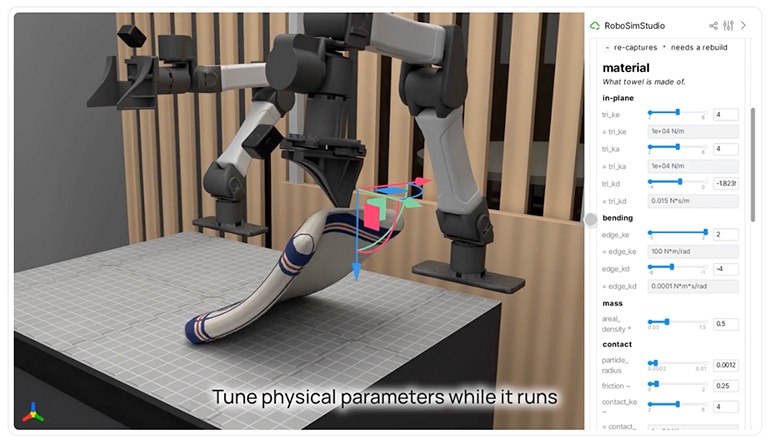
Post-training uses Genie Evolver, a distributed system combining 100 physical robots, physics simulation, and world models. CEL (Collective Experience Learning) aggregates successful trajectories across the robot fleet, allowing each unit to benefit from shared experience. The system demonstrated rapid skill acquisition in tabletop curling, achieving above-average human performance after a few hours of hybrid learning. Post-deployment learning via Genie Master allows robots to adapt to unforeseen conditions without human code modification.
The approach signals a shift from static model deployment to continuous learning systems in physical environments. The benchmark performance validates the architecture, but the real test will be post-deployment resilience in uncontrolled industrial settings. Open-sourcing by year-end will enable independent evaluation of the model's generalization claims and expose limitations in specific task domains.