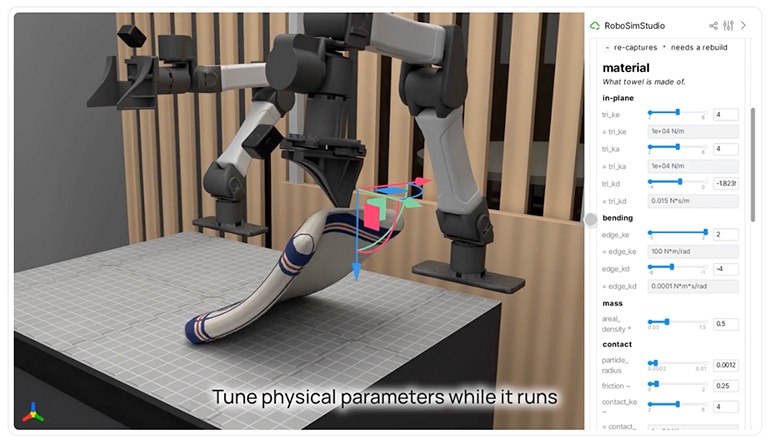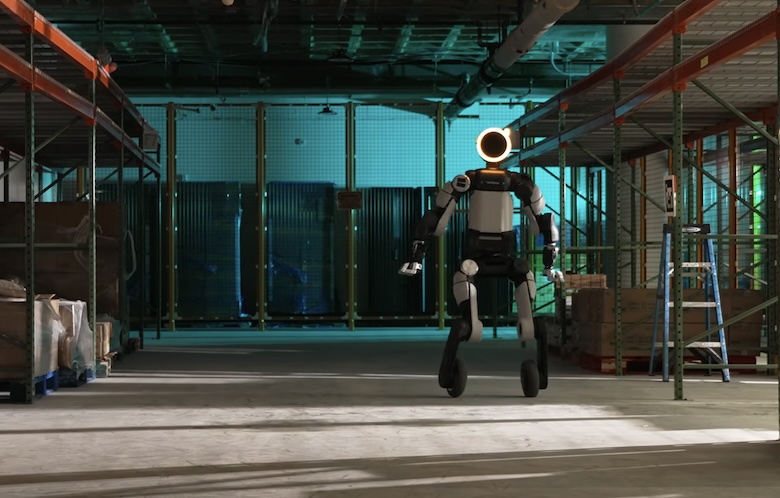
NIST's Intelligent Systems Division is developing a low-footprint benchmark suite derived from previously standardized NIST test methods. The tasks exercise domain-agnostic mobility, manipulation, whole-body control in confined spaces, and basic reasoning capabilities — representing minimum performance thresholds for industrial, healthcare, and consumer humanoid applications.
The benchmark design is being developed collaboratively with industry and research partners. NIST will fabricate test apparatus units for free distribution to participating U.S. manufacturers and established testing facilities. All designs and 3D models will be published as open resources for physical and virtual testbed use.
Manufacturers can choose to run tests internally with provided apparatus, or have robots evaluated at NIST or partner facilities. Results will be collected under pre-approved data-sharing agreements that protect IP and allow manufacturers to control attribution. Aggregated results will be published to establish state-of-the-art capability profiles without exposing proprietary performance data.
The initiative fills a decade-long measurement gap. The 2013-2014 DARPA Robotics Challenge was the last platform-agnostic evaluation of humanoid performance. Since then, commercial humanoid development has accelerated with no comparable benchmarking infrastructure — making capability claims difficult to verify and cross-platform comparisons impossible.
NIST is actively seeking industry participation in benchmark design and testing. The open question to manufacturers: do these tasks sufficiently exercise minimum humanoid capabilities, and what additional constraints would your platform require?