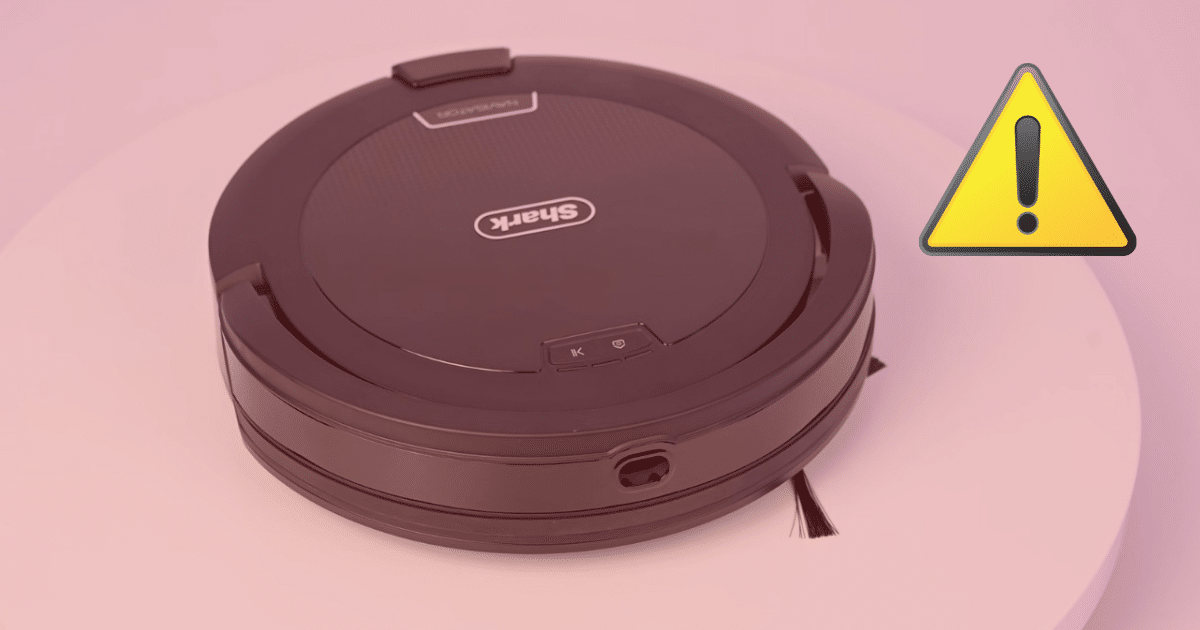
The vulnerability stemmed from device certificates with excessive AWS permissions, allowing them to communicate with robots beyond their intended scope. The researcher observed over 1.5 million unique Shark device serial numbers in one AWS region during a 24-hour monitoring window, with 44% responding to command handlers — indicating potential exposure.
Affected models with cameras, LiDAR navigation, and network connectivity could theoretically be remotely controlled, with attackers able to access live camera feeds, stored home maps, and Wi-Fi credentials. The flaw mirrors a similar AWS IoT policy issue previously disclosed in DJI robot vacuums.
Tokay0 first reported the issue to SharkNinja in March 2026 and went public in July after concluding it remained unpatched. Following publication, SharkNinja told Vacuum Wars it had resolved the vulnerability through cloud configuration changes — no firmware update required for customers.
The incident highlights persistent cloud authorization design flaws in consumer IoT products. Operators deploying internet-connected robots in sensitive environments should audit vendor cloud architectures and implement network segmentation. No public evidence suggests the vulnerability was exploited, but the scale of exposure — 1.5 million devices in a single region — demonstrates the blast radius of misconfigured cloud policies.